
Myth-Busting: Common Misconceptions About Tulsa Community Support
Understanding Tulsa Community Support
Community support in Tulsa is an integral part of the city's fabric, yet it is often misunderstood. Many people hold misconceptions about what community support entails and how it functions. In this blog post, we aim to debunk some of these myths and provide a clearer picture of how community efforts truly benefit Tulsa residents.

Myth: Community Support Is Only for Those in Crisis
One of the most common misconceptions is that community support services are only available for individuals in crisis. While it is true that these services are crucial for those facing immediate challenges, they also offer a wide range of programs aimed at enhancing overall quality of life. From educational workshops to recreational activities, community support is about enriching lives at every stage.
Organizations in Tulsa focus on proactive measures to prevent crises by offering early intervention programs, mental health resources, and family support services. By doing so, they aim to create a more resilient community.
Myth: Community Support Is Funded Solely by the Government
Another common belief is that community support services are entirely funded by government resources. In reality, these services are often supported by a combination of government funding, private donations, and volunteer efforts. This blend of resources allows for a more comprehensive and sustainable support system.
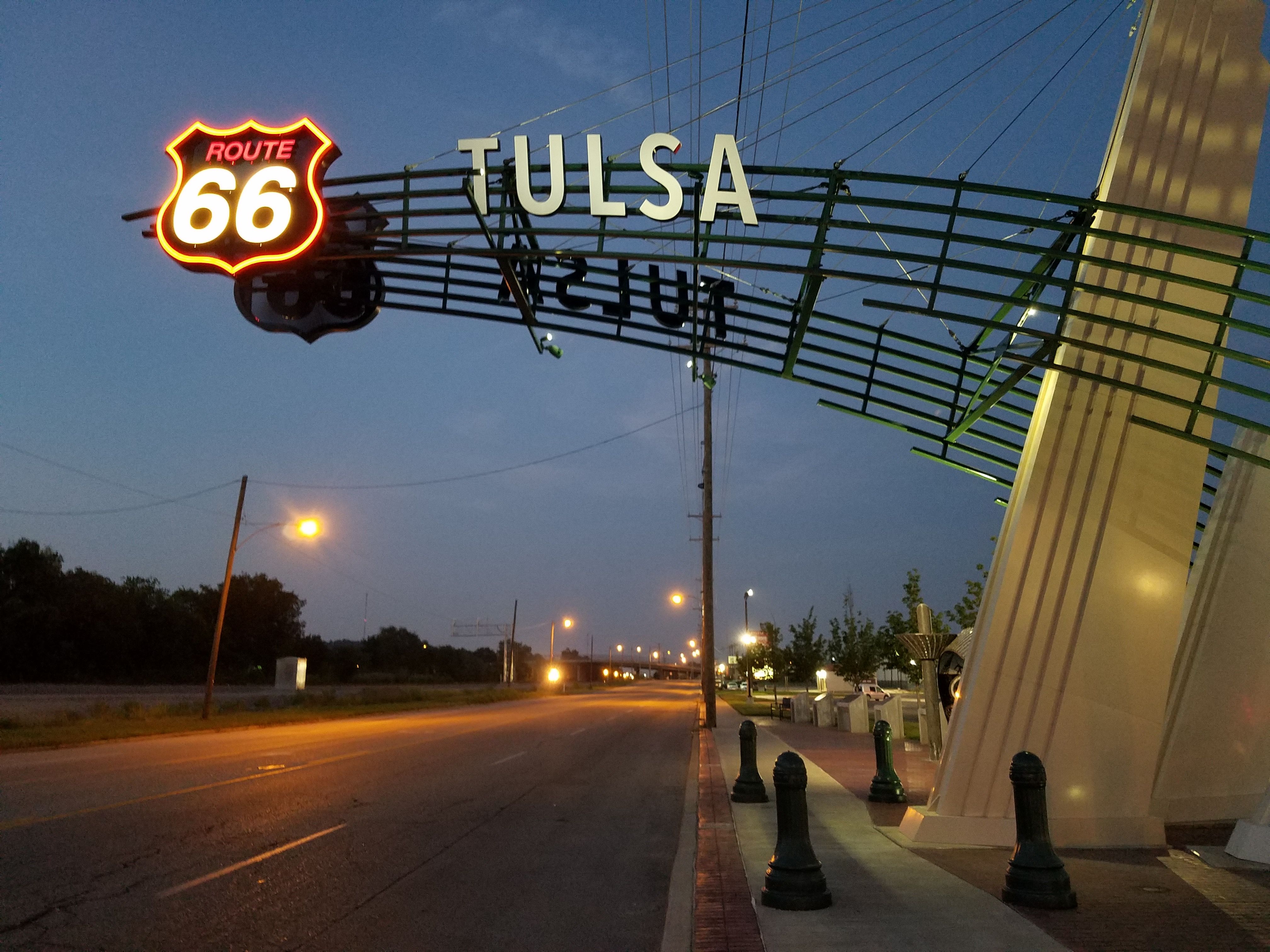
Local businesses and philanthropic individuals play a significant role in sustaining community initiatives. Their contributions help in expanding programs and reaching more individuals who may benefit from these services.
Myth: Only Large Organizations Provide Support
Many people assume that only large organizations are involved in community support. However, in Tulsa, numerous small grassroots organizations and community groups are actively engaged in providing essential services. These smaller entities often have a profound impact on their local neighborhoods, offering tailored support that meets the specific needs of their communities.
These grassroots efforts are vital in creating a sense of belonging and empowerment among residents, encouraging them to participate actively in community building.

Myth: Community Support Has No Long-Term Impact
Some skeptics question the long-term impact of community support initiatives. However, evidence shows that these efforts lead to significant positive outcomes over time. Programs focused on education, health, and economic development contribute to a more vibrant and prosperous community.
By investing in community support, Tulsa is building a foundation for a more inclusive and equitable future, ensuring that all residents have the opportunity to thrive.
Conclusion
Dispelling these myths is crucial for fostering a better understanding of community support in Tulsa. By recognizing the diverse and impactful nature of these services, we can all contribute to strengthening our community. Whether through volunteering, donating, or simply spreading the word, everyone has a role to play in supporting Tulsa's community efforts.